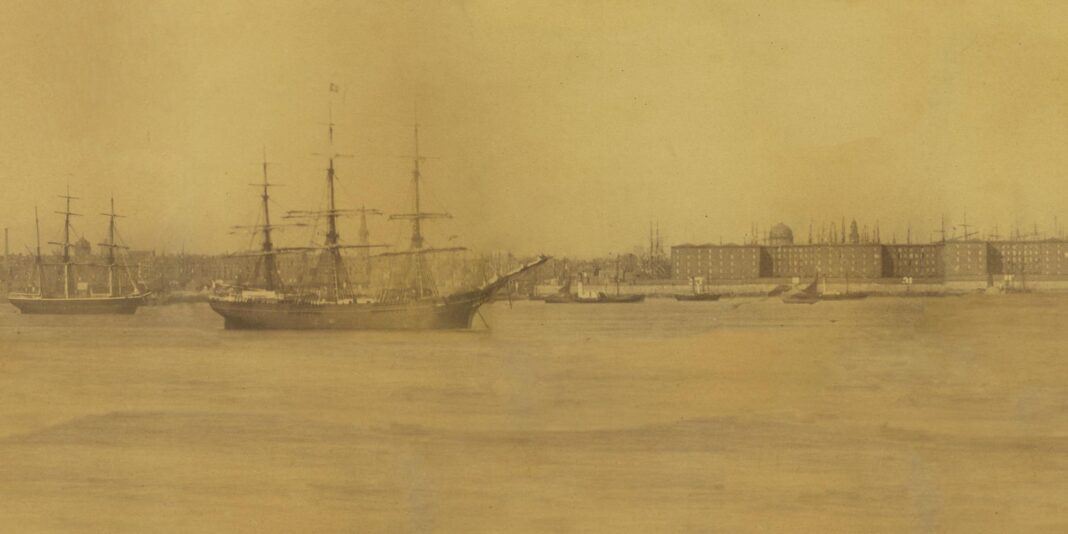

Wars, battles, and revolutions are invariably a tragedy for any nation or city, bringing in their wake death, pain, tears, and fear. Our country has endured its fair share of such devastating events. Yet, this is our history—one we must remember and respect. Crucially, we must learn from it and ensure our policies prevent any civilian from suffering due to military aggression. Today, we turn the page back in time to discuss the Battle of Liverpool in 1778. You can read a more detailed account of this significant event in our city’s past on the pages of liverpoolyes.com.
Background to the Conflict
The Battle of Liverpool took place during the American War of Independence. American forces were relentlessly attacking Nova Scotia, launching assaults from both land and sea. These raids became so frequent and damaging that American privateers effectively decimated Liverpool’s maritime economy.
Initially, it’s worth noting that Liverpool was quite sympathetic to the Americans and their revolutionary cause. However, this goodwill soured when American privateers began targeting and seizing local shipping interests.
This turn of events enraged the local populace, who promptly turned against the Americans. Consequently, Colonel Simeon Perkins took charge of the town’s defence and the fitting out of its own privateering vessels.
Details of the Battle
The Battle of Liverpool commenced on 24 April 1778. The Royal Navy warship HMS Blonde, commanded by Captain John Milligan, ran aground. Simultaneously, the French ship Duc de Choiseul, under Captain Jean Hérault, was anchored in Liverpool harbour. A three-hour firefight ensued. One hundred French crew members were captured, and there were also casualties among the wounded and killed.
As a result of this engagement, several members of the French crew were killed, others drowned, and many were wounded. One hundred French personnel were taken prisoner.
Just a year later, the people of Liverpool began rebuilding Fort Morris, and on 31 October 1779, they launched their own privateer vessel named the ‘Lucy’. The residents of Liverpool were unwilling to stand idly by while their land was being ravaged and were determined to fight back against the enemy.
A further raid on Liverpool took place on 13 September 1780. Two American privateers landed nearly 70 men at Ballast Cove. They captured some of the local fleet and took several officers prisoner. In a countermove, our townsfolk took Captain Benjamin Cole hostage. Ultimately, the situation was resolved without any bloodshed. Our town was not troubled again for the remainder of the war, although American privateers remained a persistent threat to the ports of Nova Scotia.
The American War of Independence: A Summary
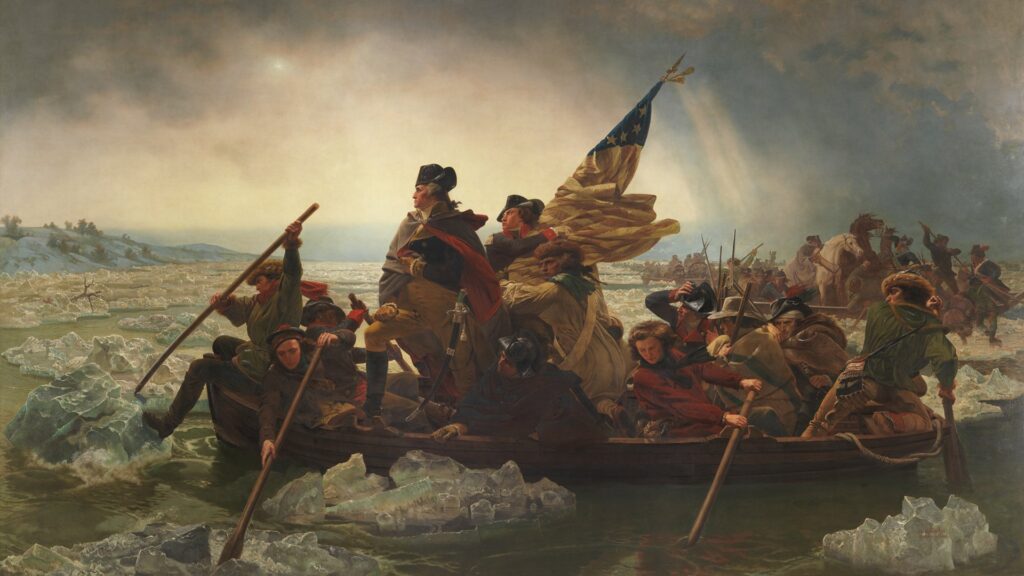
The US War of Independence lasted from 1775 to 1783. The military conflict was led on the American side by George Washington. The Americans ultimately defeated the British, and Britain formally recognised the independence and sovereignty of the United States. The fighting was primarily concentrated in North America, the Caribbean, and the Atlantic Ocean.
Tensions first escalated in 1763. The American colonies, established by Royal Charter in the 17th and 18th centuries, developed strained relations with Britain following that year. The Boston Massacre in 1770 further complicated matters. This was followed by the Intolerable Acts in mid-1774 and the British attempt to disarm the American colonists. By August 1775, the British Parliament declared the colonies to be in a state of rebellion. This marked the official start of the eight-year war. As mentioned, the war concluded in 1783 with the commencement of negotiations for the Treaty of Paris, which confirmed Britain’s recognition of the United States of America as an independent nation.
These are just some of the events our town has lived through. We hope you found this article insightful and that you’ve learned more about Liverpool’s history.