
Liverpool is synonymous with the cultural achievements of its local musicians, its controversial slave-trader ‘heroes’, and political protests. But it’s also worth remembering the mayors who strove to help their fellow Liverpudlians. One such notable figure was Cyril Eric Carr, a politician whose profoundly progressive views shaped his decisions during his time as mayor. Although decades have passed, it’s worthwhile in this liverpoolyes.com article to look back at the key moments in the life of this extraordinary figure and his achievements in the political arena.
From Education to a Political Career
Cyril Eric Carr was born on 29 December 1926 in Liverpool, where he spent most of his life. The Carr family belonged to the middle class, which enabled him to receive a quality education. An interesting fact: the name “Cyril” comes from the Greek name “Kyrillos,” meaning “lord” or “master.” Perhaps his name offered a subtle hint of his life’s ambitions.
After finishing school, the young man enrolled at the local university, where he earned a law degree. This later established the foundation for his political career as a campaigner who focused heavily on solving the city’s problems through legal means and restoring justice.
Carr certainly stood out for his sharp intellect. But what truly set him apart was his intense drive for justice. In the post-war era, as Britain struggled to recover from the conflict’s aftermath, Carr began to show a keen interest in public service. His political stance was more progressive than conservative, as Cyril firmly believed in the importance of social equality, improving housing conditions, and supporting low-income families.
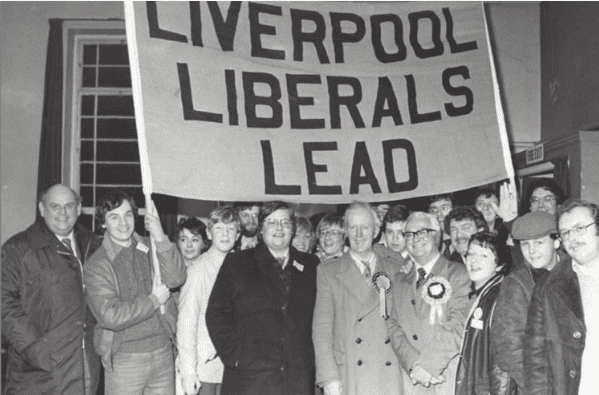
At the start of his political journey, Carr joined the Liberal Party and quickly gained recognition thanks to his resolve and his knack for finding compromises. In 1962, he was elected to Liverpool City Council, where he began actively working to strengthen the Liberals’ influence in the city. The party’s electoral success in 1974, when it became the largest on the Council, allowed Carr to lead it for a year.
Our subject’s approach was notably practical, focusing on tackling the city’s most pressing issues. The poor state of certain housing estates deeply concerned him. What’s more, Carr actively sought to address the problem of job shortages. It was during these years that he laid the groundwork for his future achievements as mayor.
Looking Back: Cyril Carr’s Legacy
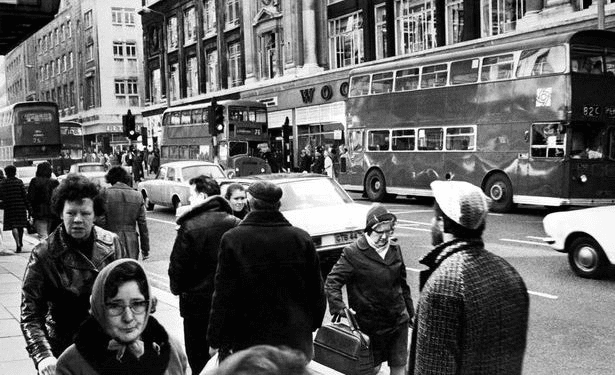
In the 1970s, Liverpool was enduring an economic slump, marked by mass protests and high unemployment. Against this challenging backdrop, Cyril Eric Carr took office as the Lord Mayor of Liverpool in 1974. His term, however, proved to be a real test for the politician, as deep-seated societal issues are never resolved overnight.
Carr was determined to reform the city’s governance, making it more transparent and accessible to the community. He championed the launch of small business support programmes, which, while not instantly, eventually helped create new jobs. One of his key achievements was his drive to reconstruct long-neglected housing districts.
Did Carr strive to improve communication between the authorities and the residents? Absolutely! His political philosophy favoured dialogue over confrontation. This approach earned him support among the public, yet it also drew criticism from opponents who considered his methods insufficiently radical. Well, what did they expect – he was a Liberal!
After his term concluded, Carr left politics, but his work was far from in vain. Notably, his efforts in redeveloping housing estates set an example for subsequent city leaders. The respect for Cyril is even evident in the city archives, where he is described as a man who genuinely cared for the city with ‘soul’ (i.e., with deep passion and commitment).
Cyril Eric Carr’s legacy is a story of a fierce drive for justice and meaningful change. While he didn’t solve all of Liverpool’s problems, his dedication should be remembered as an outstanding example of people-focused politics.