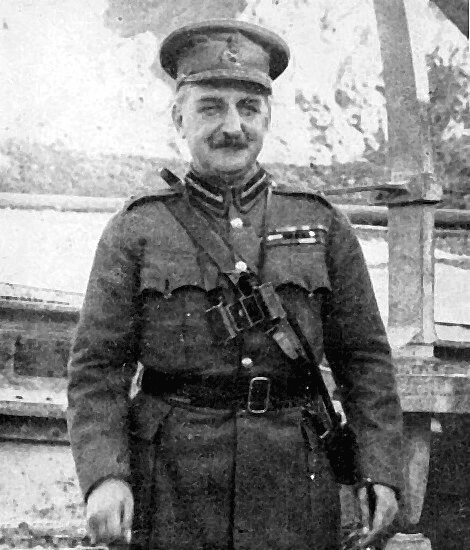

Sir John Maxwell, a distinguished British Army officer who rose to the rank of General, is the subject of this feature on liverpoolyes.com. He saw action in the Second Boer War, the Mahdist War, and World War I. Notably, he was appointed Deputy General Secretary in Ireland, where he played a pivotal role in suppressing the 1916 Easter Rising. He retired from military service in 1922.
Early Life
John Maxwell was born in Liverpool on 11 July 1859. He was the second son of Robert Maxwell, a merchant, and Maria Emma Maxwell, the daughter of Vice-Admiral Grenfell. Both his parents were Scottish Protestants.
From a young age, John displayed a forceful character, resilience, and great energy. His parents fostered these qualities, preparing their son for a military career. Maxwell received his initial education at Cheltenham College before enrolling at the Royal Military College, Sandhurst. He graduated brilliantly in 1879 and was subsequently commissioned into the 42nd Regiment of Foot (The Black Watch).
Career Highlights
While serving with the 42nd Regiment, Maxwell participated in the Anglo-Egyptian War of 1882, where he was promoted to Captain. He also served as Assistant Provost Marshal during the Nile Expedition, and for his actions in the Battle of Ginnis, he was awarded the Distinguished Service Order (DSO) and the rank of Lieutenant-Colonel.
During the war in Sudan, Maxwell commanded the Second Egyptian Brigade, taking part in the battles of Atbara and Omdurman. It was his unit that was among the first to enter the Khalifa’s Palace.
In 1897, Maxwell was appointed Governor of Nubia, and a year later, Governor of Omdurman. For his service in Egypt, he received the Order of Medjidie, Second Class, from the Ottoman Sultan.
John Maxwell was knighted in 1900. Two years later, he became an officer on the general staff of the Duke of Connaught, steadily advancing through the ranks. His subsequent roles included Deputy Quartermaster-General in Ireland, Deputy Quartermaster-General in Malta, and Inspector-General of the Forces. Maxwell was made a Major-General in 1906 and was promoted to full General in 1919.
Family Life
In 1892, Maxwell married Louisa Selina Bonynge, the daughter of Charles William Bonynge, a wealthy American of Irish descent. The couple had one daughter.
The Easter Rising and Maxwell’s Actions in Ireland
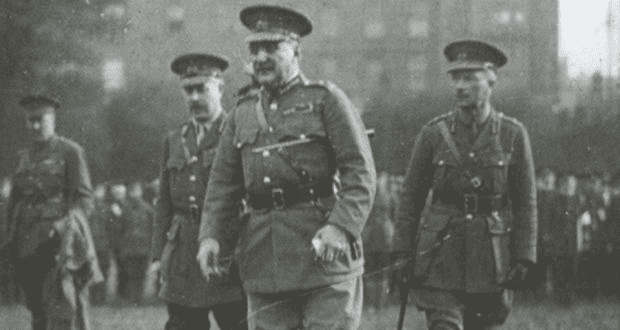
On 24 April 1916, an uprising against British rule erupted in Ireland. Maxwell arrived on the scene just four days after it began and played a direct and active role in its swift suppression. He acted with firmness and severity, perhaps even excessively so.
To understand the General’s actions, one must consider the circumstances of the time. The brutal, bloody First World War had been raging for a year and a half, with Britain fighting Germany as part of the Entente. With over 200,000 Irishmen serving in the British Army, internal instability was absolutely unacceptable. Even many residents in Dublin regarded the rebels as traitors, which made the harsh measures taken to crush the revolt seem justified.
Following the suppression, military tribunals commenced. Over 170 rebels were court-martialled, and 90 death sentences were handed down. Maxwell personally oversaw the execution of 15 of them within 10 days. More than 3,000 men and women were arrested; however, not all of them had actively participated in the rising. Many names were simply pulled from outdated police files. Groups of 300, and later another 1,800 people, were deported to internment camps in England.
Maxwell was granted sweeping powers to quell the rebellion and restore order in Ireland. Given the scale of the revolt, the precarious military situation, and the widespread assumption that the rising was German-provoked, Maxwell’s harsh actions are understandable from a wartime perspective. Nevertheless, many historians believe his draconian methods directly fuelled the growth of Irish nationalist sentiment and militant separatism.
Moreover, the executions ordered by Maxwell transformed the rebels from traitors and troublemakers into genuine martyrs and full-fledged freedom fighters. This perception was bolstered by Ireland’s strong nationalistic and Catholic tradition of martyrdom, quickly reshaping how local people viewed the executed leaders.
Final Years
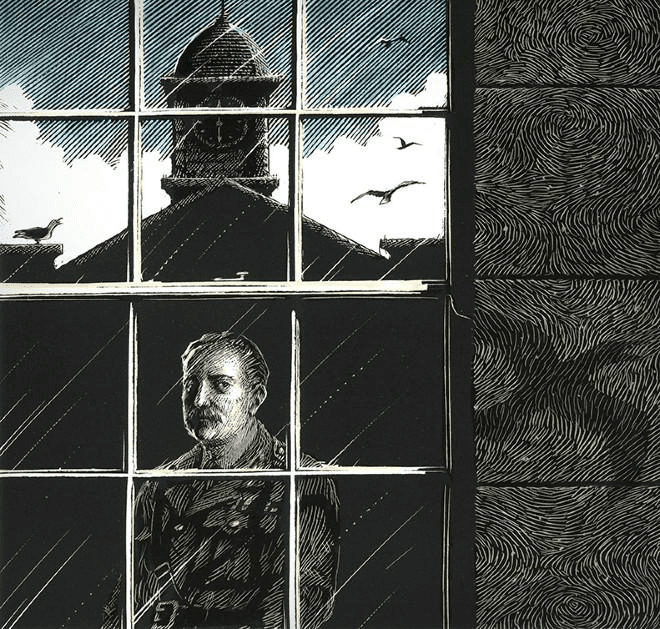
Maxwell was aware of the negative political consequences of his decisions in Ireland and openly accepted a large share of the blame for them. Perhaps for this reason, he was effectively moved out of the action. In late 1916, he was transferred to the remote Northern Command of the English Home Forces, where he remained for two years until the end of World War I. The General finally left military service in 1922.
In his final years, his health deteriorated significantly. Doctors advised Maxwell to change climate, as the English weather was taking a toll. John Maxwell relocated to Newlands, a prestigious suburb of Cape Town, where he passed away in 1929.
Whether Maxwell’s actions in Ireland were right or wrong is a matter for historians to debate. One thing is certain: the General was a strong and decisive man who served his country and stopped at nothing in his determination to protect its interests.