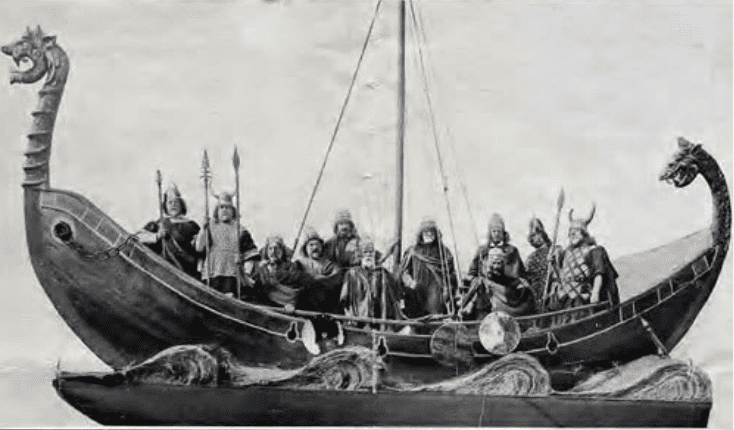

Vikings may not immediately spring to mind when you hear the phrase “Heroes of Liverpool”, but their presence in the region we call Merseyside left a tangible mark on local culture, traditions, and history. Although we often picture Vikings as horned-helmet warriors destroying everything in their path, they actually introduced a certain order to this territory that helped the British forge a more civilised society. Their political structures, notably the ‘Thing’ assemblies, influenced the culture and organisation of governance in these lands for centuries to come. Read on for more at liverpoolyes.com.
First Raids and Attempts at Settlement
The history of Viking interaction with the Merseyside region begins with a strategic movement via Ireland and Dublin. The Vikings initially chose territories with low fertility, such as the sand dunes of Meols, for their first strongholds. This reveals that their conquest tactics were quite cautious. By avoiding the central fertile lands, they wisely sought to establish themselves in isolated areas, protecting themselves from direct assault by the local population. This tactic allowed them to gradually expand their influence without immediately engaging in open conflict.
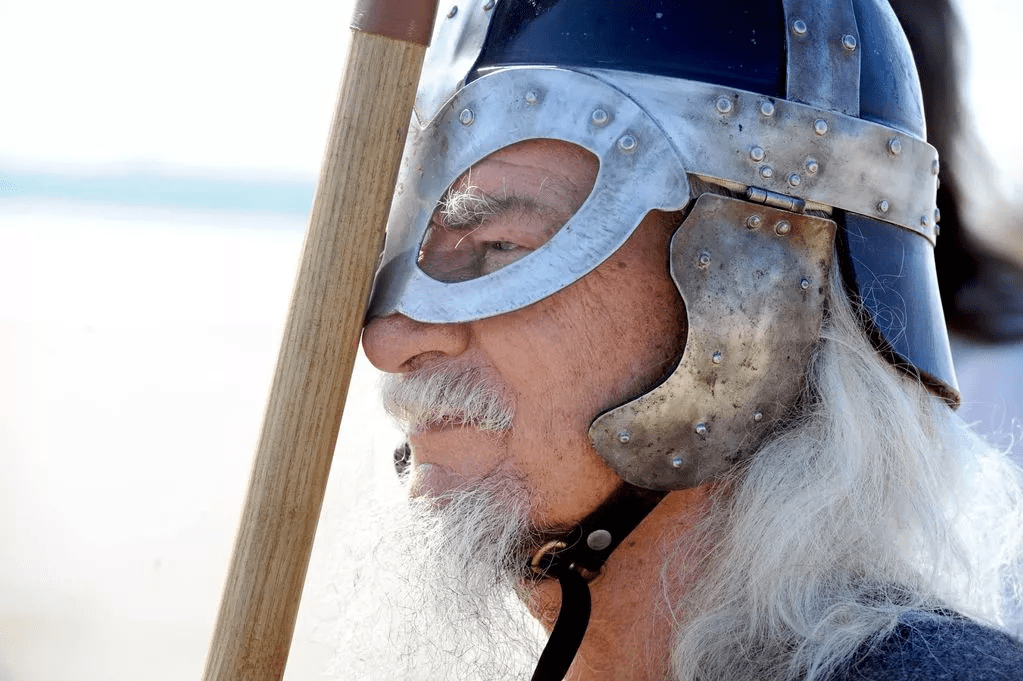
The Anglo-Saxon Chronicle recounts how a Viking army, gathered from East Anglia and Northumbria, stormed Chester in 893. The location is mentioned as an “unoccupied settlement on the Wirral.” It seems, therefore, that the area was unlikely to have been heavily settled at the time. Alternatively, local residents might have fled the settlement upon learning of the Viking attack. It’s possible the Vikings were keen to seize the territory to use it as an important trading port.
The Vikings who left Dublin in 893 may have intended to join the group that had captured Chester. However, the local Mercians burnt the surrounding fields and drove away the livestock, depriving the Viking army of sustenance, making it easy to drive them out.
In 902, the Vikings expelled from Ireland did find refuge on the Wirral—a peninsula that, historians suggest, became a sort of mini-state for them. Led by the Norwegian chieftain Ingimund, they landed along the northern coast of the peninsula. Initially, they established themselves in these areas, and later spread across the entire Wirral, even crossing the Mersey to merge with other Viking groups in West Lancashire.
The region gradually filled with new settlements, and Old Norse, similar to modern Icelandic, became commonplace. The Wirral at that time may have possessed the characteristics of an independent Viking community with its own borders, customs, and trading posts. Viking influence was particularly noticeable in the formation of its own political structure. Their “Things”—assemblies that took place at Thingwall on the Wirral and another Thingwall in southwest Lancashire—became vital for local self-governance, where issues of policy and law were debated.
The Battle for Chester: Viking Military Strategy in the Early 10th Century
When the Vikings attempted to breach the Roman walls of Chester, they deployed a siege machine constructed from makeshift materials. The city’s defenders, in turn, fiercely resisted the attackers, dropping boulders on them before pouring down boiling ale and water. Finally, they even hurled beehives over the walls to repel the Vikings—at least, so say the legends and historical sources.
One of the leaders of the defenders was the influential Mercian noblewoman Æthelflæd. She managed to divide the enemy army by gaining the support of the Irish who were fighting alongside the Vikings. Thanks to this, Chester was successfully saved at the time. According to the Anglo-Saxon Chronicle, Chester was restored and fortified in 907 for future defence. It was then that its walls were repaired and extended.
Traces of the Vikings in Merseyside
Archaeological research and place names also clearly testify to the Viking presence in Merseyside, dating back to the early 10th century.
Place Names (Toponyms)
In the early Middle Ages, the Merseyside region was home to a diverse population, where Old English, Welsh, Irish, and Old Norse place names intertwined. Among the morphemes in place names derived from Old Norse, one can identify -by (from býr, meaning settlement), which is present in names such as Formby and Crosby. The element rake (from rák, meaning a lane or track) can also be seen in names, surviving, for example, in Bromborough Rake. The name Meols likely comes from the Scandinavian word melr, meaning sandbank.
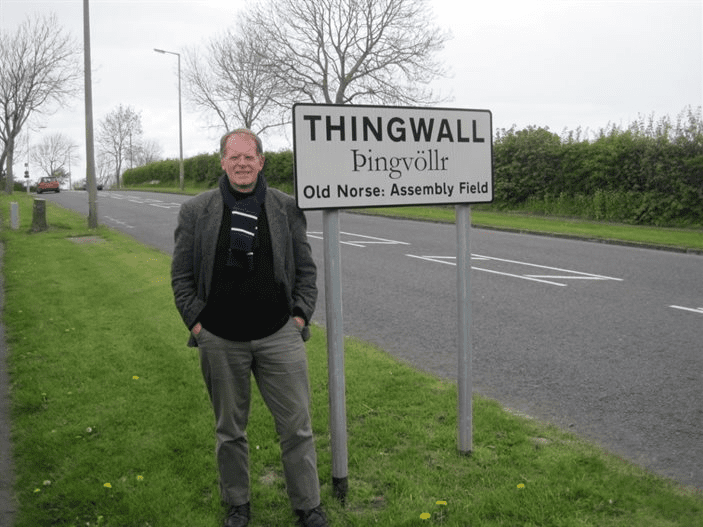
The names Thingwall in West Derby and Wirral (derived from a word meaning assembly field) indicate that public meetings were held in these locations. They likely functioned as early parliaments.
However, not all place names containing Old Norse elements can be directly linked to the Viking Age. Some may have entered the local dialect later, notably in the 14th century. For example, the famous work ‘Sir Gawain and the Green Knight’ contains Old Norse words that are not used in modern English. This points to the lasting cultural influence of Scandinavian speakers in the region.
Archaeological Finds
The Wirral, particularly Meols, has proven rich in Viking Age archaeological finds. Meols, which was used as a seasonal trading post since Roman times, flourished after the Viking settlements. In modern times, artefacts dating back to the 10th century were discovered on a site near Bromborough. Although Merseyside fell under the control of English rulers in the early 10th century, it retained its unique cultural identity thanks to its maritime links and the influence of the Irish-Norse settlements.
Interesting Facts
Here are some fascinating facts about the Vikings’ time in Merseyside:
- Arno in Oxton is believed to be a Viking burial site. The name comes from Arnishaug, meaning burial mound.
- The old name for Bromborough, Brunanburh, is associated with a famous battle that took place in 937. It is believed to have occurred in the Wirral. Fighting alongside the Vikings were a group led by King Olaf of Denmark and an army commanded by Egill Skallagrímsson, against the English.
- St Bridget’s Church in West Kirby (Vestri Kirkjubyr) is an old Viking church.
- Irby means “settlement of the Irish,” reflecting the history of the Vikings’ journey from Ireland to the Wirral.
- Genetic research has shown a strong Scandinavian influence on the DNA of old Wirral families—many of them showed the highest matches with modern Scandinavians.
Conclusion: Impact on Culture and Beyond
Interestingly, some researchers view the Vikings not just as an enemy tribe to the British but as heroes of the region. Why? Because they became a crucial part of Merseyside’s cultural identity. Today, various festivals are held here to celebrate the Viking past. These often feature historical battle re-enactments, craft fairs, and food festivals. Local artists draw inspiration from Viking themes, which are reflected in different forms of art.
Academics keenly study the social and economic structures that the Vikings introduced to the region, as this legacy can still be felt in contemporary society. Modern popular culture also actively uses the image of the Vikings. TV series, films, and video games featuring Vikings offer new interpretations of their history, popularising the topic among the younger generation. And if you’re interested in the history of development in modern Liverpool districts, you might want to explore the topic using the example of the Business District.