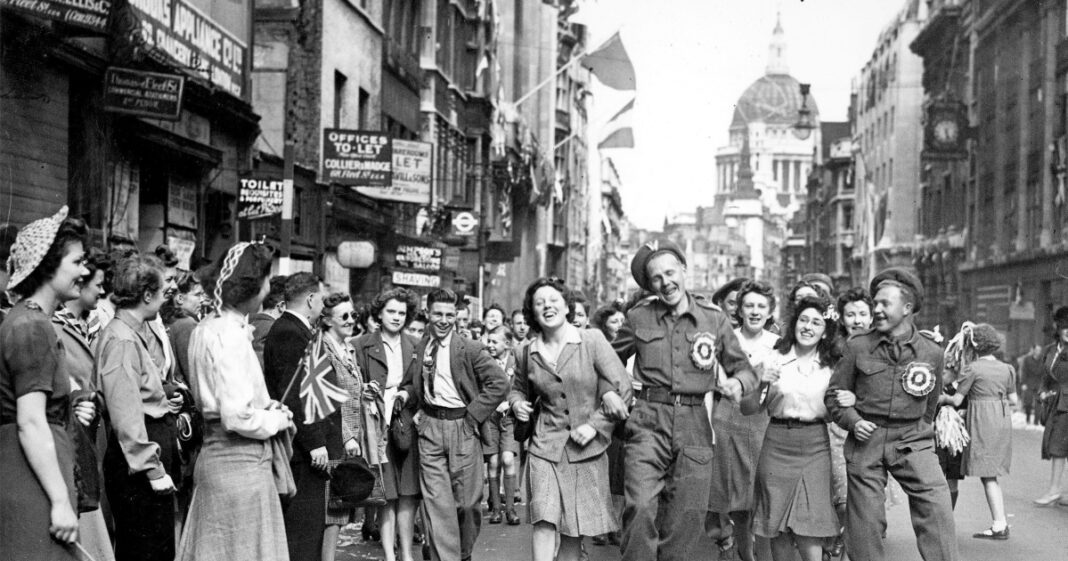

The Second World War is a black spot in the life of many countries. Great Britain is no exception because British cities had a first-hand experience of bombing, destroyed buildings and killed civilians. Unfortunately, Liverpool was also affected by hostilities during that bloody war. In this article, we will tell you how the residents survived the terrible days of the Second World War. Learn more about it at liverpoolyes.com.
Liverpool and London, the most bombed cities during the war
Liverpool became the second city, after London, to suffer the heaviest bombing during the Second World War. The reason was Liverpool had a large port. Thus, fuel, weapons, raw materials and other strategic goods were brought here. In addition, the city was a connecting link with the USA. Adolf Hitler understood that American soldiers would be able to reach the port of Liverpool and provide the necessary assistance. German Nazis tried to destroy the city and damage the port. Therefore, they organised a heavy bombing of the city (the Liverpool Blitz). In general, it began on August 28, 1940. On that terrible night, 160 German bombers attacked the city. However, the enemy didn’t stop there. The bombing continued throughout 1940. The last air raid on Liverpool took place in January 1942. After that, all of Hitler’s efforts were directed at capturing the Soviet Union. About 4,000 Liverpool residents died during this horrific period. A lot of houses, churches and infrastructure facilities were destroyed.
Evacuation of children. Operation Pied Piper
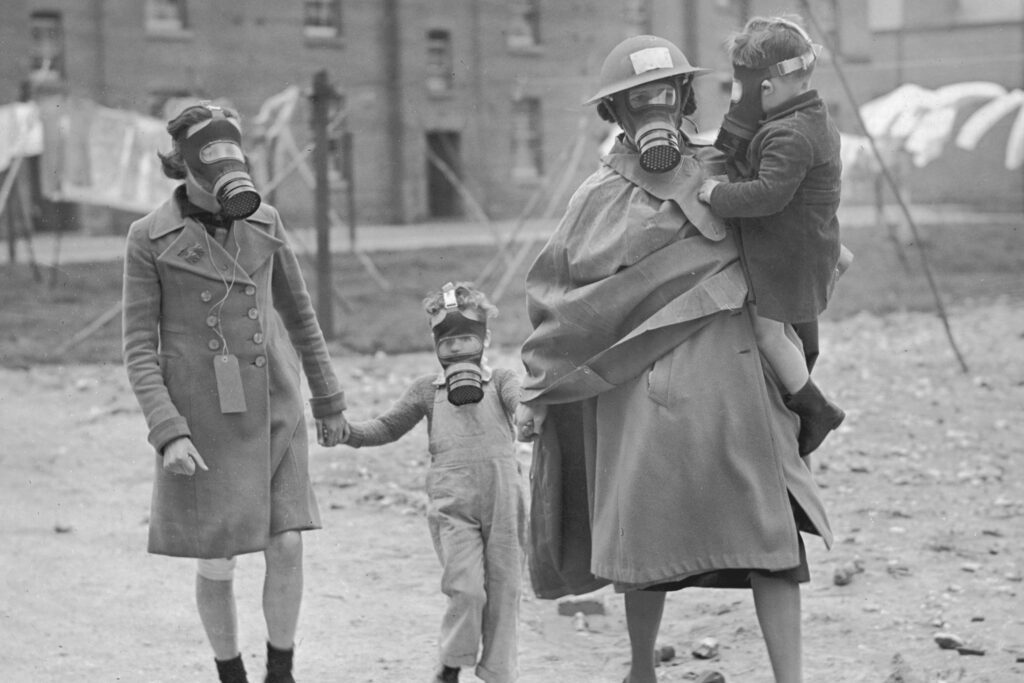
A partial evacuation of children took place before the Liverpool Blitz. Back in September 1939, the government began an evacuation called Operation Pied Piper. In fact, a year before the blitz, the country’s leadership understood that the civilian population would suffer during the attacks. That is why they started the evacuation of 100,000 children. They were taken mainly to rural areas. It was considered that it was safer in the villages, as there were no strategic objects. For example, rural North Wales had no ports or factories of national importance. Accordingly, the villages weren’t a target for the German army, unlike Liverpool. By the way, North Wales was not a fairy-tale place because there were problems with housing and electricity. In addition, many local residents spoke Welsh. Obviously, it is very stressful to leave your home. After all, many people thought that they were leaving Liverpool for a few days… None of the city’s residents expected that they would live away from home for years.
However, a village has its advantages. Many Liverpool children grew up in a dirty industrial city, so North Wales was like a breath of fresh air for them. The children enjoyed nature as well as ate organic and homemade food. Some learned Welsh. Many children were also sent by ship to Canada and Australia. Most remained to live in these countries.
By the way, after several months, people started to return their children to the city. After all, it was calm there until August 28, 1940.
How did the residents live during the blitz?
The bombings of Liverpool were taking place mainly at night, so people were ordered to use thick black curtains. That is why the rooms were poorly lit. In general, the city was in complete darkness because it was more difficult for enemy planes to see the targets. Other British people didn’t know about the Liverpool Blitz during the war. At least, this information was kept from the press. After all, the country’s leadership didn’t want the population to know about the true extent of the damage. It could panic and demoralise the British army.
The systematic bombing of Liverpool only strengthened the spirit of its residents. Many factories and warehouses switched to the production of bombs and other military ammunition. In addition, people tried to follow a normal lifestyle. They visited theatres, cinemas and shops, which were still operating in Liverpool.
Later, the bombing stopped. As already written above, Hitler redirected his efforts to the Soviet Union. The residents of Liverpool had a lot of work eliminating destruction and gradually rebuilding the city. Evacuated children and women began to return to their homes.
The city was in a terrible state, but everything was gradually restored. The sites of many bombed buildings were cleaned, dug up and used as vegetable gardens. These locations were later called The Gardens of Victory.
However, there are places that the townspeople have left untouched. The most famous building that reminds us of the horrors of the Second World War is St Luke’s Church. It became a symbol of resilience and indomitability of the British people and the glorious city of Liverpool.
The war left an irreparable mark in the history of not only Liverpool and Great Britain but also of many other countries of the world. The British persevered in the fight against the enemy and did everything possible for the common victory over Nazism. We hope that our article was informative and you learned more information about Liverpool during the Second World War.