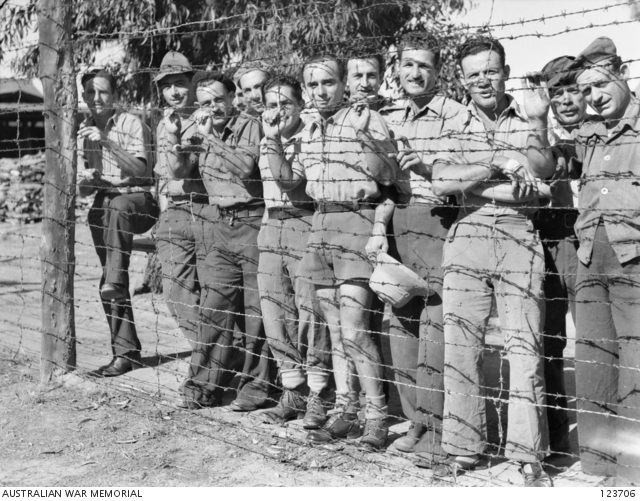

The Second World War is an unpleasant page in history that brought pain, tears, destruction and a large number of deaths. However, we must remember these terrible events in order to understand how valuable the victory is and avoid it in the future. After all, a bad peace is better than a good war and military actions, first of all, affect the civilian population. In this article, we will tell you about the Liverpool internment camp. Learn more about its history at liverpoolyes.com.
What is known about the Liverpool Internment Camp?
Before you learn about the Liverpool Internment Camp, let’s define what the term internment means. It is the forced detention and disarmament by a neutral state of the troops of belligerent states that entered its territory during an armed conflict. Internment also involves the detention by a belligerent state of citizens of an enemy country who live on its territory. Such imprisonment lasts until the end of the war.
When the Second World War began, it became necessary to create a camp for interned Germans. During the First World War, such a camp was organised in Holsworthy. However, it was intended as temporary and was built without following proper construction standards. After the release of the prisoners, the premises were dismantled and used as construction materials.
Therefore, during the Second World War, another place was chosen for a camp, the Anzac Rifle Range, near Liverpool. Since hostilities had already begun, it had to be set up urgently. The buildings belonging to the rifle association were confiscated. The buildings were fenced with barbed wire. In addition, a military guard and administration were established there.
Its official name was The Internment Camp, Liverpool. In 1940, the camp became too small and therefore it was decided to close it. Instead, other, larger camps were built in Orange and Hay. Later, the Liverpool Internment Camp began operating again because there was a need for a camp near Sydney. It held prisoners who were on their way to other states and “special internees”.
“Special internees”: who are they?
The camp’s “special internees” consisted of different groups. Some of them were members of the Australia First Movement. This organisation has been considered anti-English, anti-Semitic and anti-American but pro-fascist, pro-Nazi and pro-Japanese. Accordingly, all participants of this movement threatened the territorial security and integrity of the state.
Those men were detained and later interned.
It should be noted that there were mostly foreigners in the Liverpool camp, for example, Germans, Austrians, Italians, Finns, Portuguese, Spaniards, French, Greeks, Danes, etc. Also, those people were of various professions, such as MDs, retired bank managers, engineers, business managers, captains, soldiers and sailors.
How did the internees work and rest?
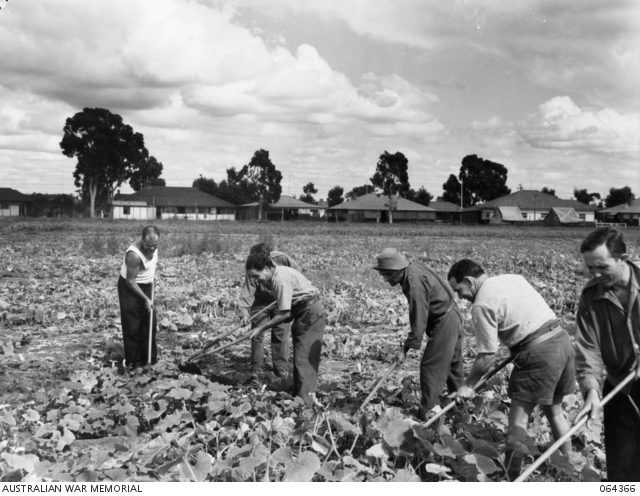
Work in a POW camp is mandatory under International Law, but it doesn’t apply to interned persons. The internees participated in the daily work of the camp (cooking, cleaning and collecting firewood). They were also engaged in carpentry, blacksmithing, gardening and making tents. By the way, the garden, in which the internees worked, produced a good harvest and supplied the needs of not only the camp but also the Holsworthy barracks.
Internees could also receive visitors once a week, usually on Sunday. Prisoners had the opportunity to meet relatives and friends in a separate room. However, there was no physical contact, there was a wire mesh between them.
In general, the internees had quite good living conditions in the Liverpool camp, if not considered they didn’t have freedom. Some of the internees even said that the period of stay in the camp was the best vacation of their lives…
Guards
Despite the good conditions in the camp, there was good security. At first, this work was carried out by the 1st Garrison Guard, then by the 15th Garrison Battalion, and by the 21st Garrison Company in 1944. In total, there were 80-120 people involved. By the way, the guards were experienced soldiers of the First World War who had a great understanding of human psychology.
It should be noted that women sometimes entered the camp too. That is why there were two wardresses there. They looked after and accompanied female prisoners. Women lived in a separate room.
After the end of the Second World War in 1946, the Liverpool camp was closed. The premises were returned to the capital and state shooting associations. By the way, the property was returned in better condition than it was before the war.
This is the story of the Liverpool Internment Camp, which operated during the Second World War. Such camps are necessary during military operations. We hope that our article was informative for you and such places will be of no use in the modern world.
Did you know that there was an internment camp near Liverpool?